National Highway, Barangay Maitim, Bay, Laguna, Philippines 4033
 Monday to Saturday 8am to 5pm
 Global Care Cancer Institute Inc.
GCCI’s Nuclear Medicine and Imaging Center (NMMIC) is the most comprehensive facility to offer accessible nuclear medicine services in Southern Luzon. Our state-of-the-art center brings together advanced technology, skilled professionals, and a patient-centric approach to provide unparalleled diagnostic and therapeutic solutions.
Nuclear Medicine is a remarkable branch of medical imaging that goes beyond traditional methods, allowing us to delve into the intricate workings of the human body at the molecular level. By utilizing safe and low-dose radioactive tracers, we gain invaluable insights into the functioning of organs, tissues, and even cellular processes. This precision helps our team of experts in diagnosing diseases at their earliest stages, leading to better outcomes and more targeted treatments.
At our center, we offer an extensive array of nuclear imaging procedures to address a wide spectrum of medical concerns. From Positron Emission Tomography (PET) scans, which aid in detecting cancer and neurological disorders, to Single Photon Emission Computed Tomography (SPECT) scans, used for cardiovascular and bone-related conditions, our comprehensive suite of services ensures that you receive the most accurate diagnoses.
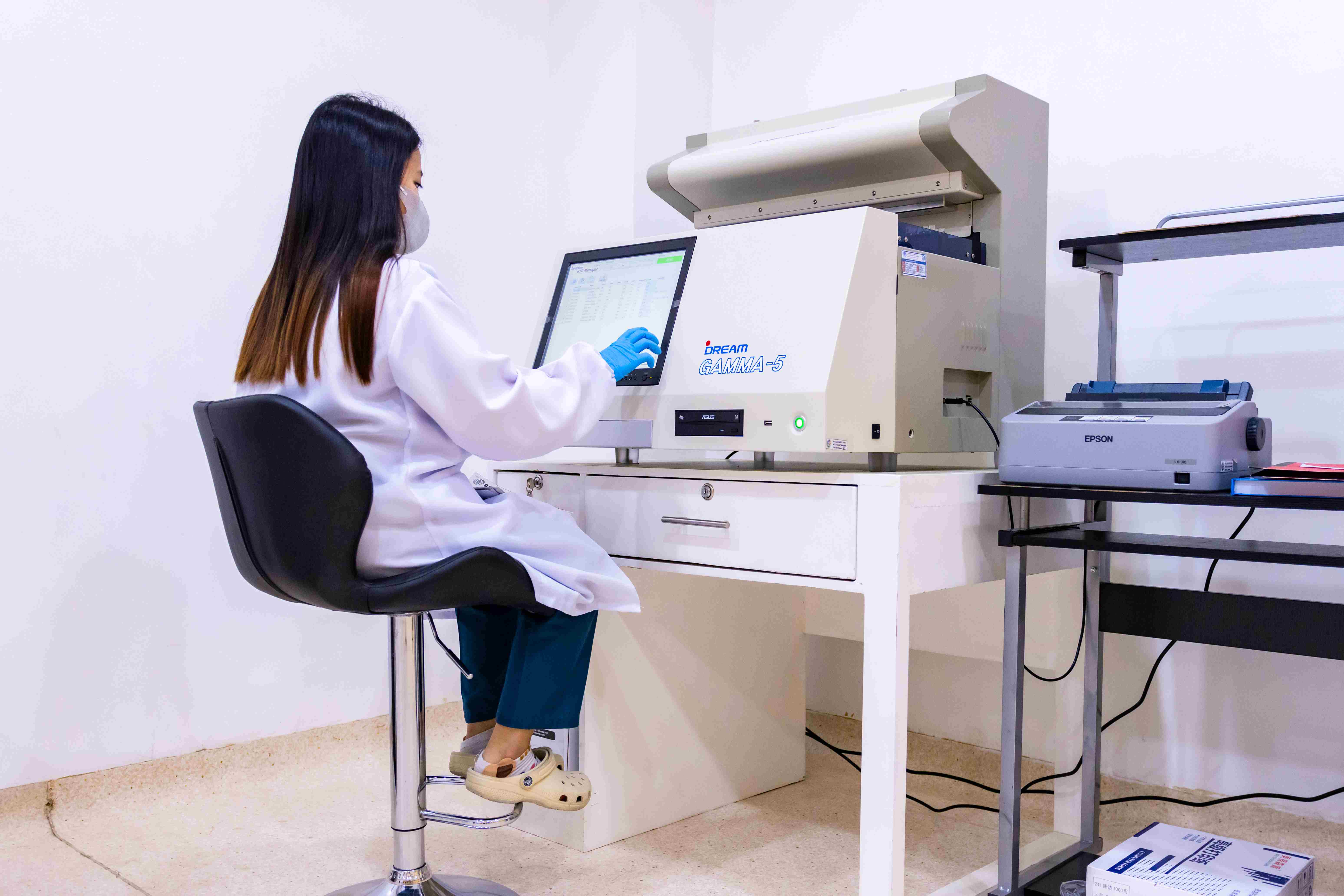
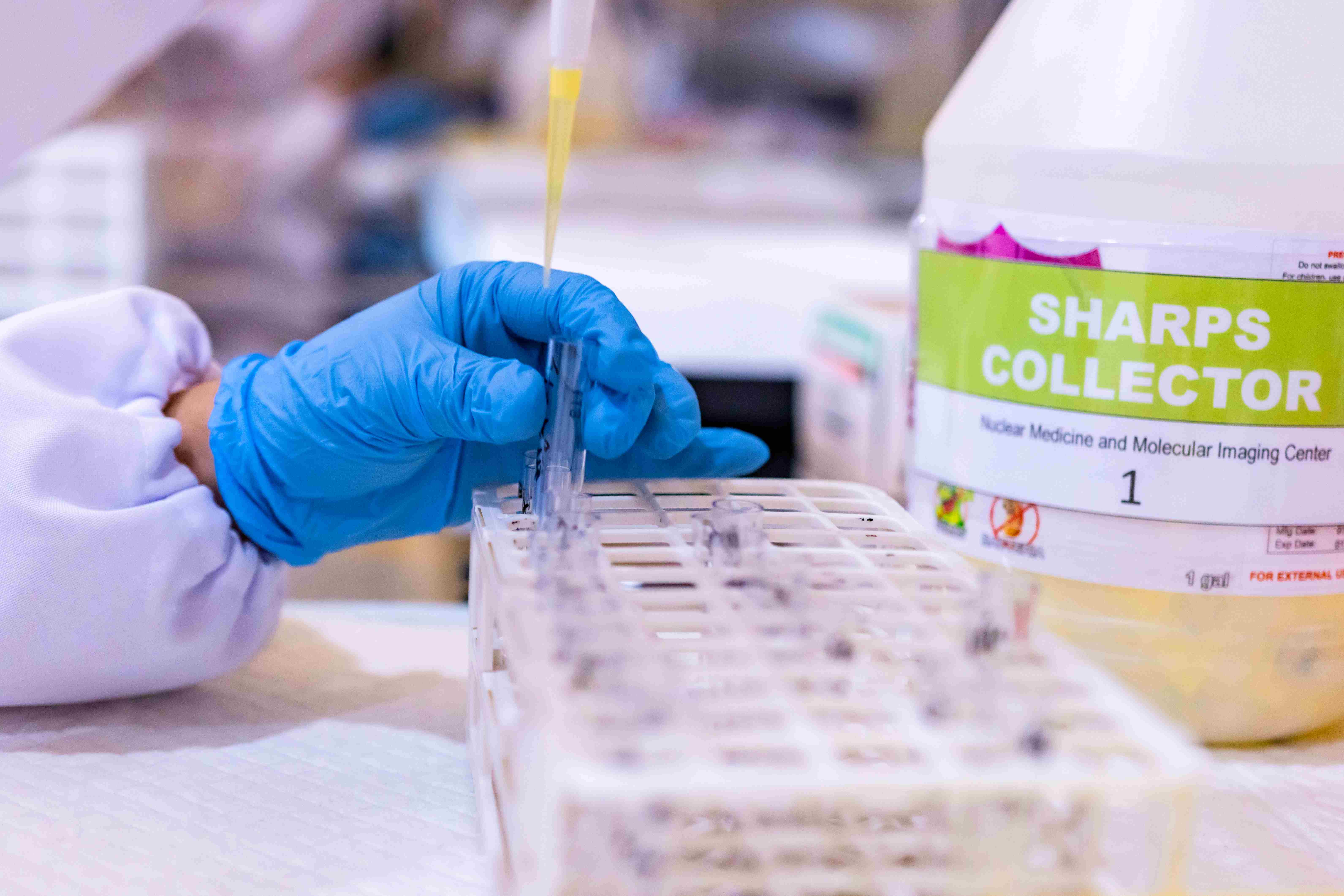
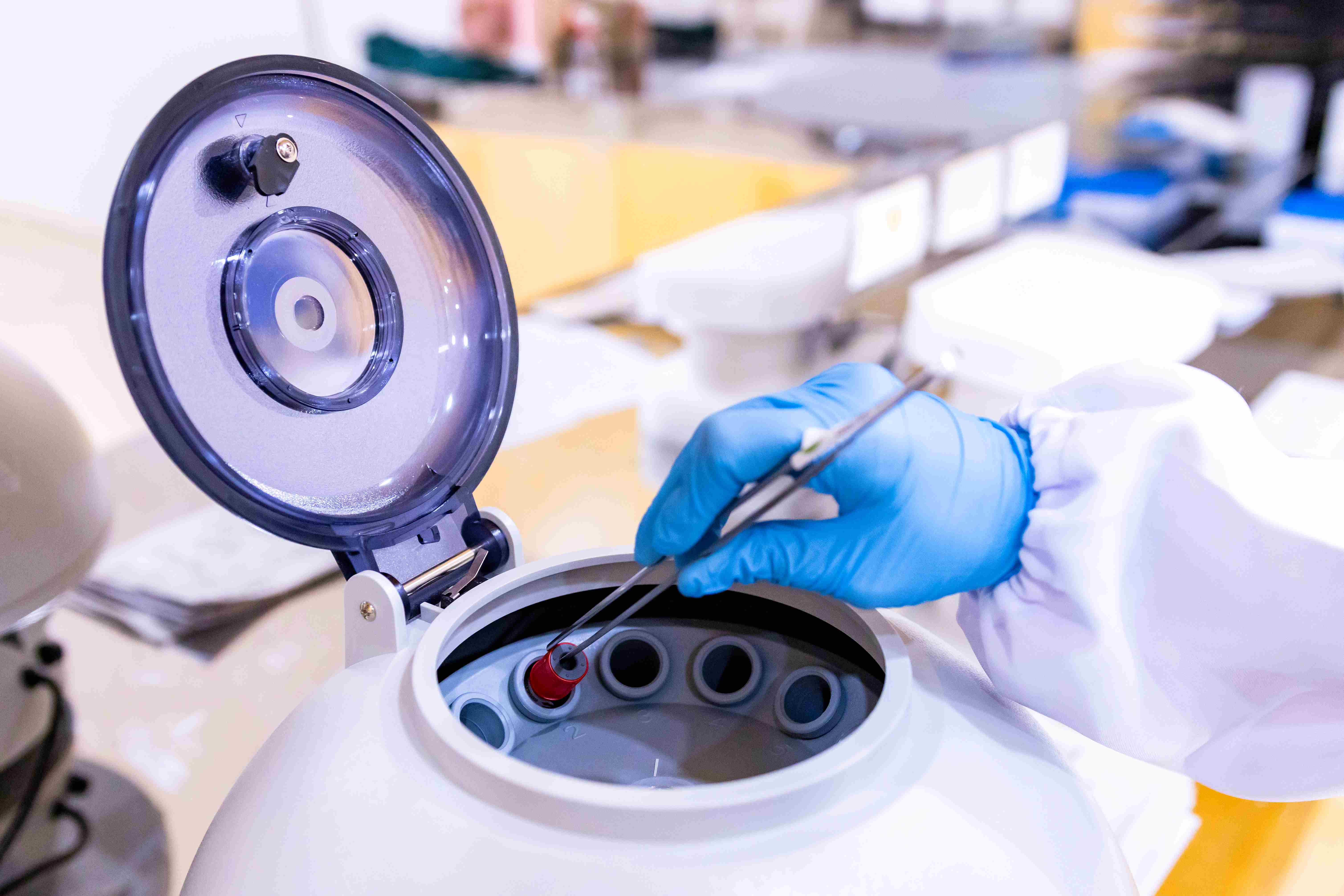
Radioimmunoassay (RIA) – is a sensitive lab technique used to measure specific substances like hormones or antibodies in a sample. It involves using radioactive tracers that compete with the substance of interest for binding to specific antibodies. After incubation and separation of bound and free components, the radioactivity of the sample is measured and compared to a calibration curve with known concentrations to determine the substance’s concentration. RIA is valuable for detecting low concentrations of substances in biological samples, but safety precautions are essential due to the use of radioactive materials.
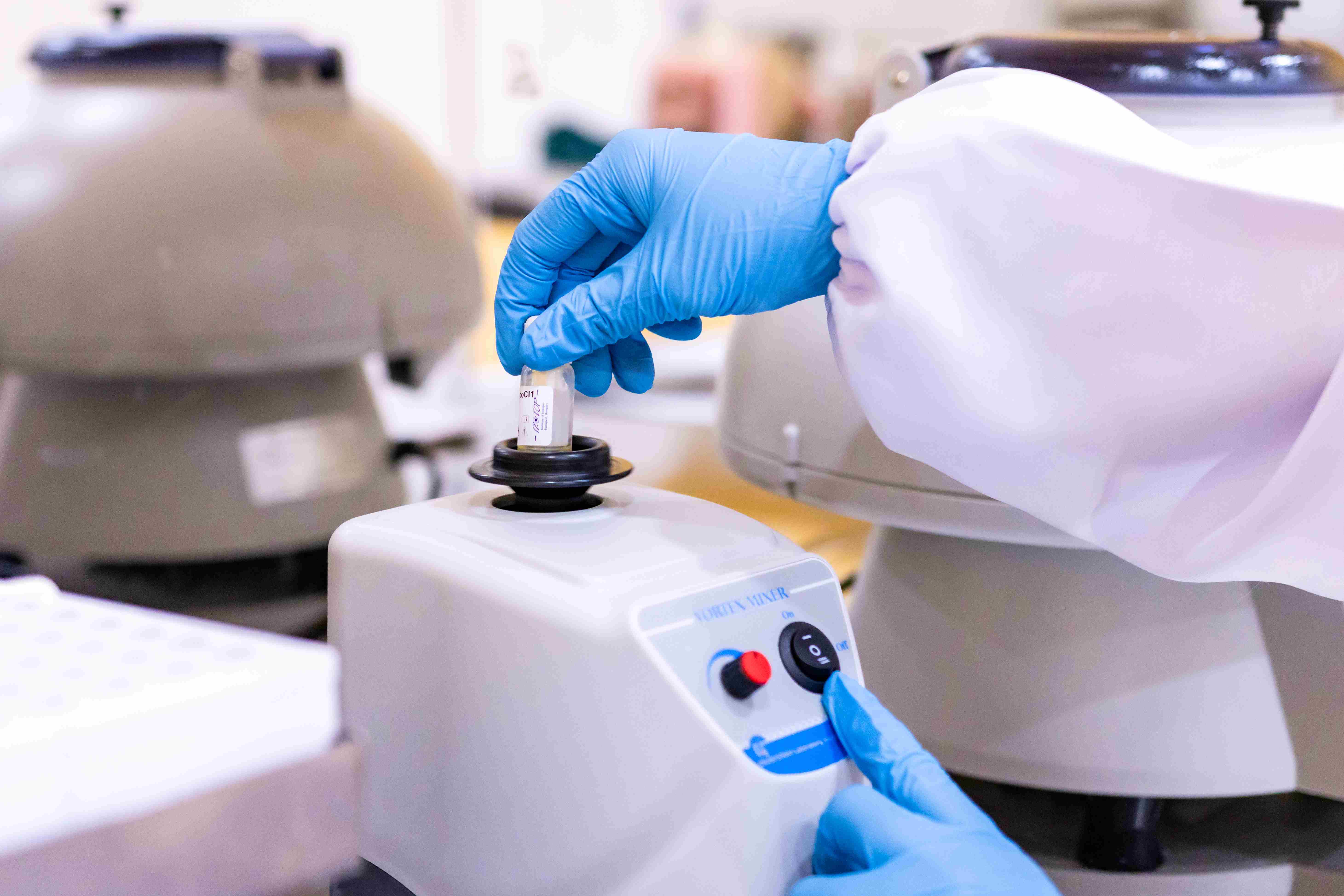
Urea Breath Test – is a non-invasive diagnostic test used to detect the presence of Helicobacter pylori (H. pylori) bacteria in the stomach. During the test, a patient ingests a special urea solution labeled with a harmless carbon isotope. If H. pylori is present in the stomach, it produces an enzyme that breaks down the urea, releasing labeled carbon dioxide. The patient’s breath is then analyzed for the presence of labeled carbon dioxide, indicating the presence of H. pylori. The UBT provides quick and accurate results, allowing for the diagnosis and monitoring of H. pylori infections without the need for invasive procedures.
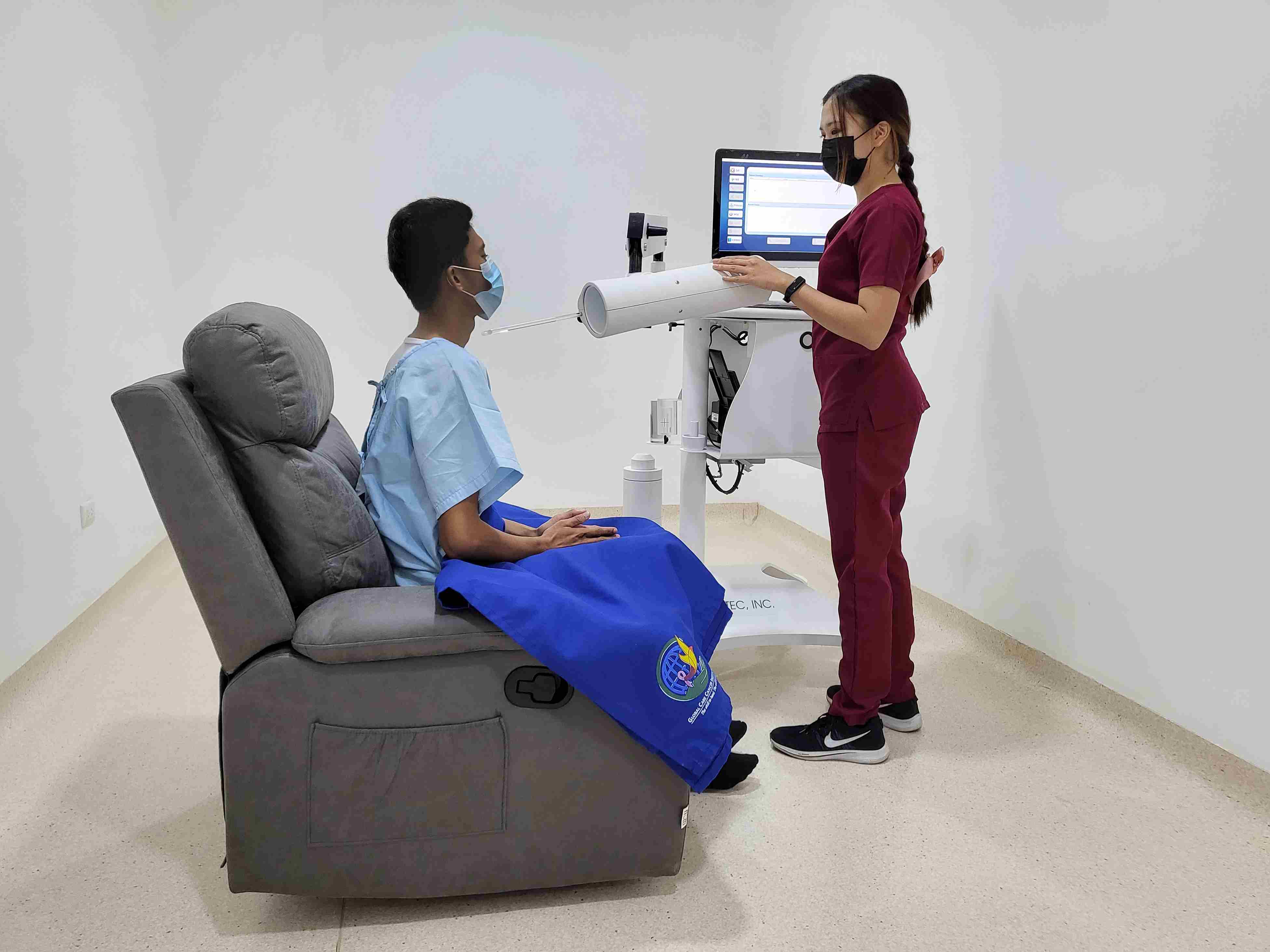
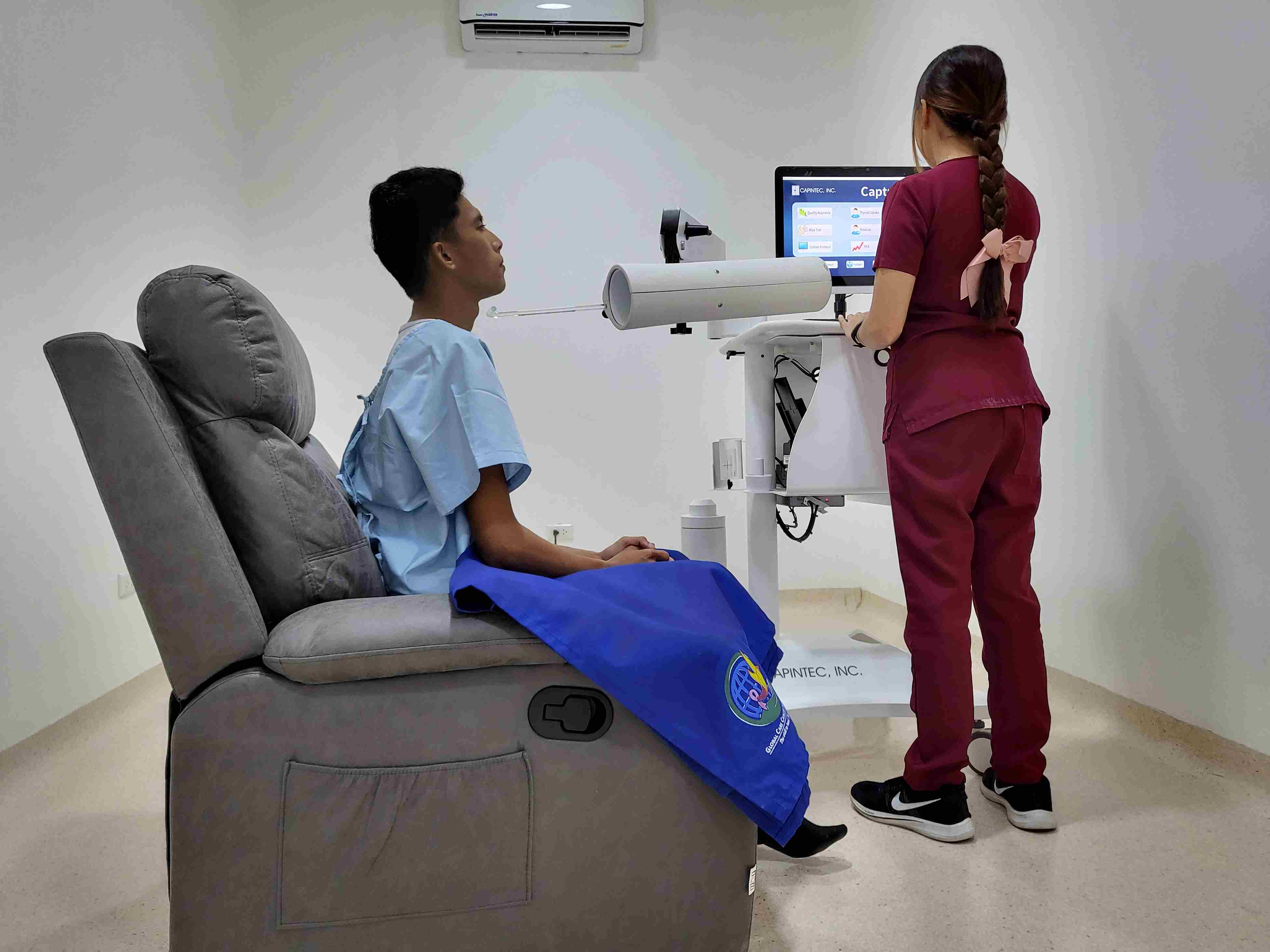
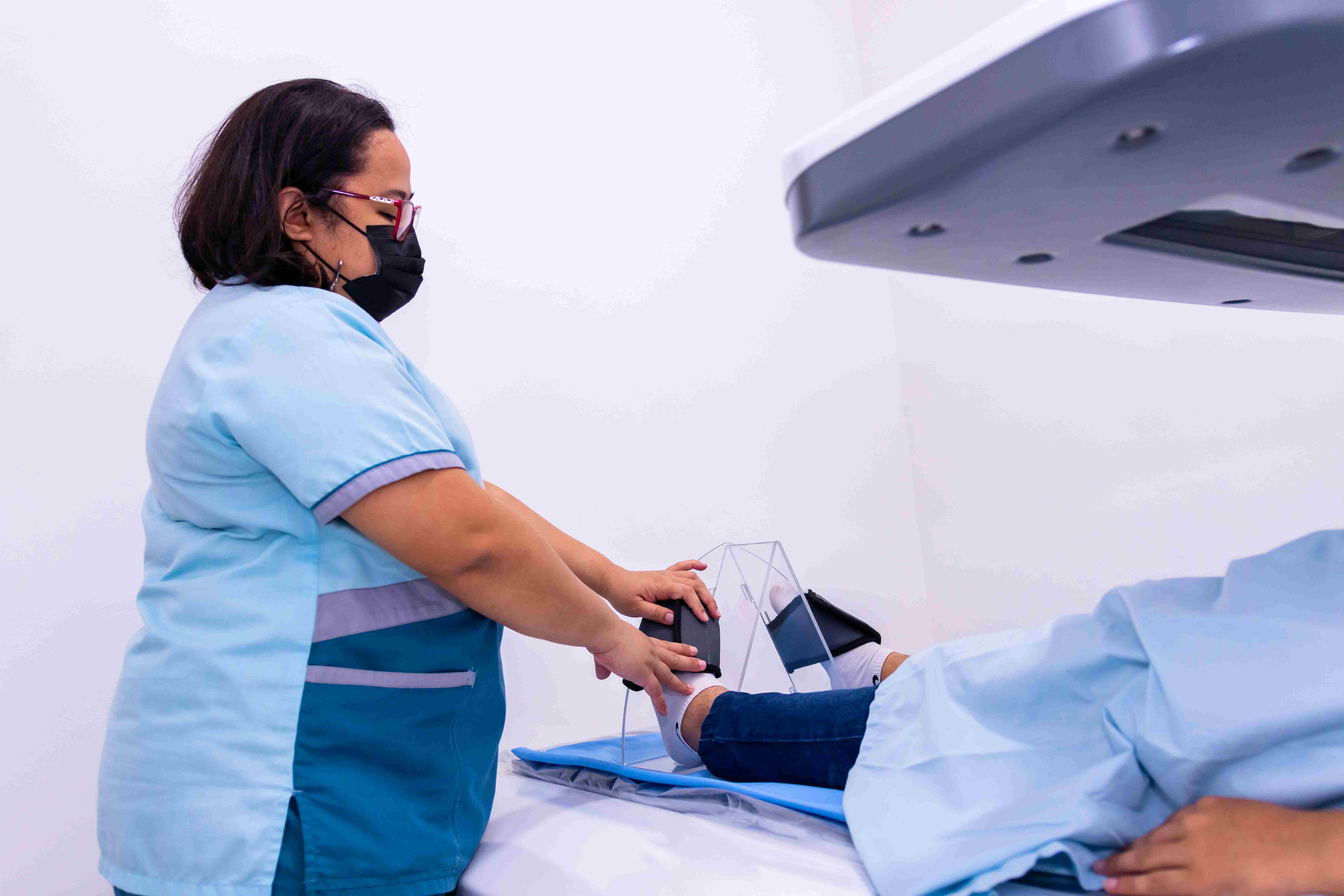
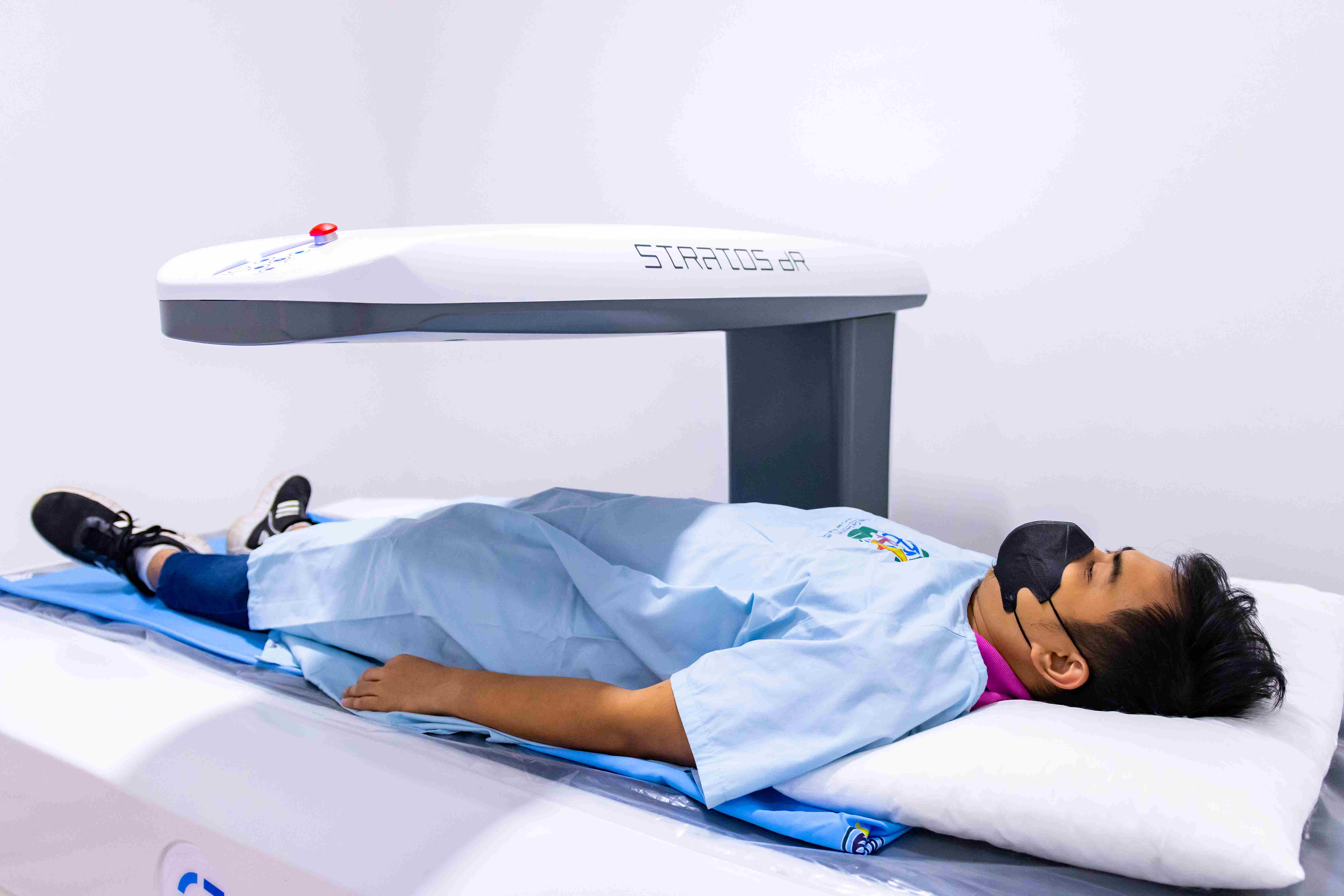
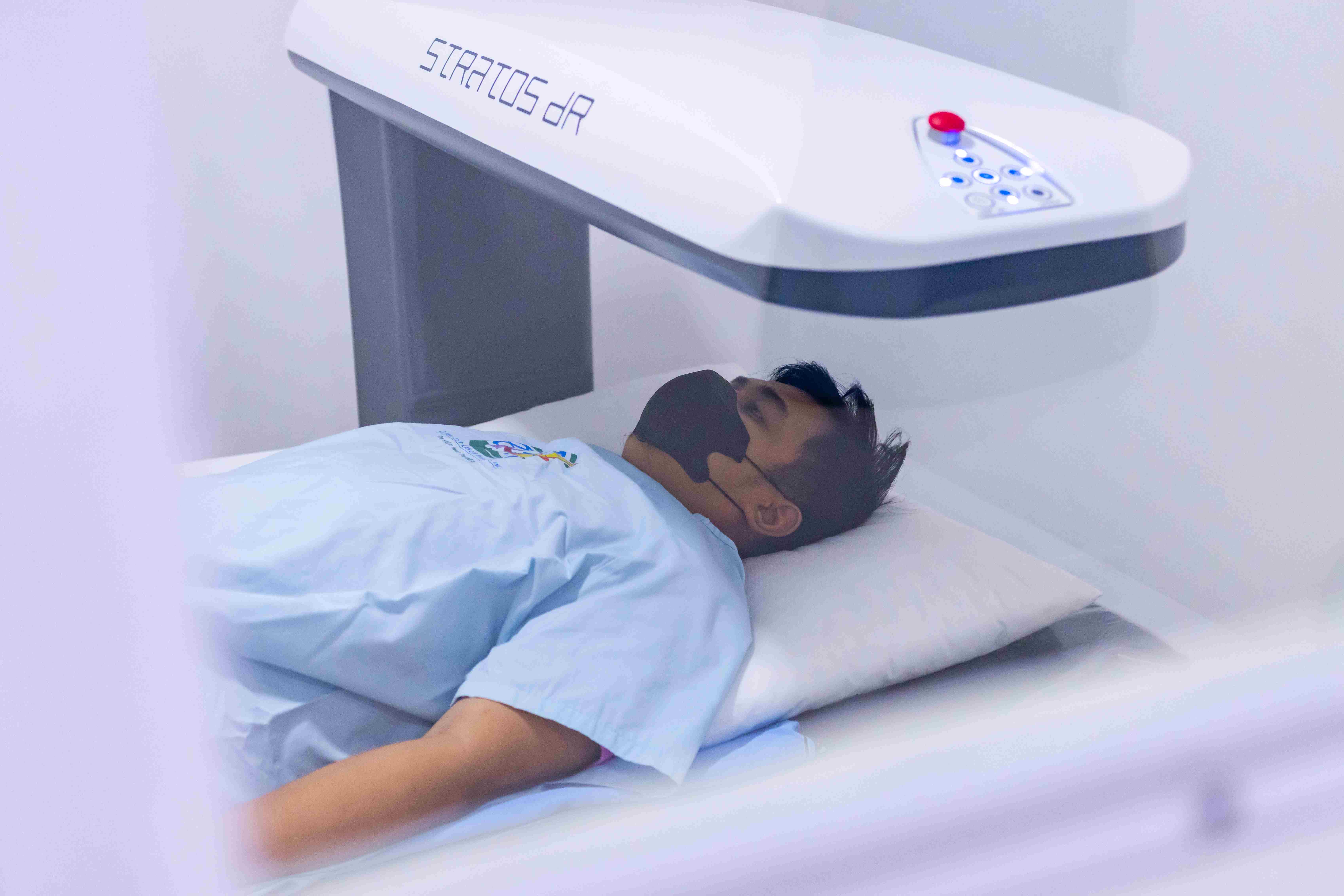
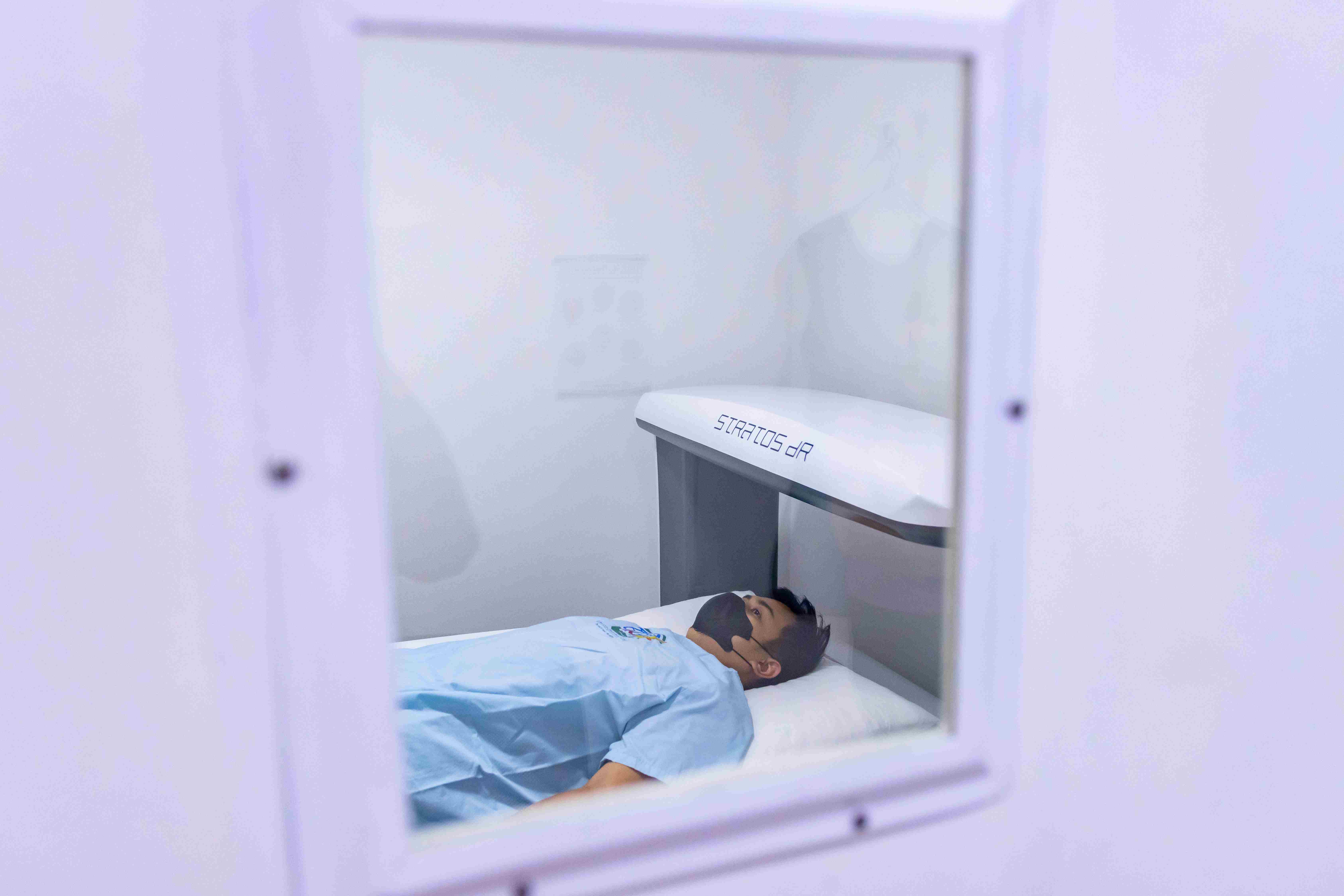
Bone Densitometry – Bone densitometry, also known as dual-energy X-ray absorptiometry (DEXA or DXA), is a non-invasive medical imaging technique used to measure bone mineral density (BMD). It assesses the strength and health of bones, particularly in diagnosing osteoporosis and evaluating the risk of fractures. During the procedure, low-dose X-rays pass through the bones, and the amount of radiation absorbed indicates the density of the bone. Bone densitometry is a quick and painless procedure, providing essential information for physicians to make informed decisions regarding bone health and develop appropriate treatment plans for patients at risk of osteoporosis-related complications.
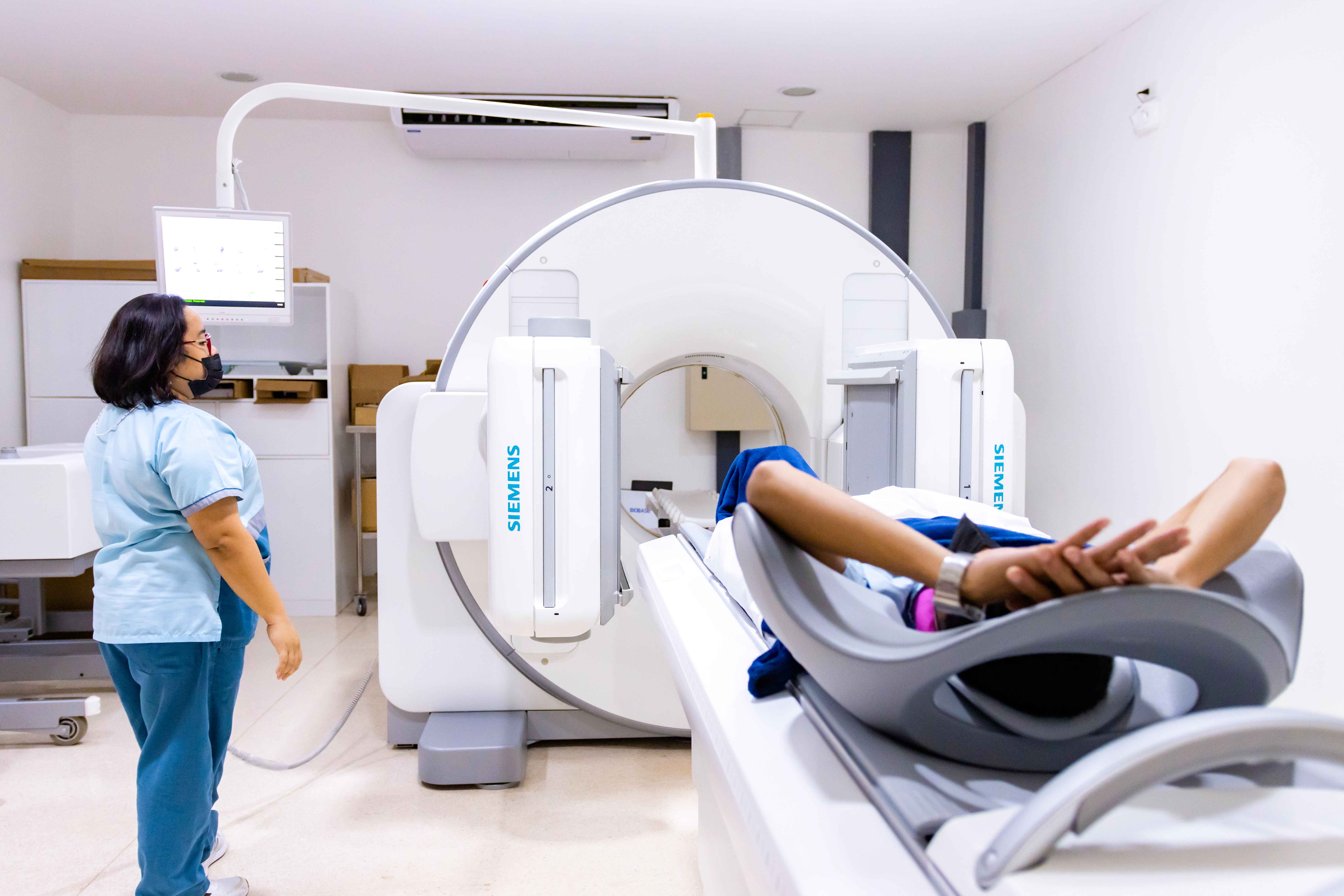
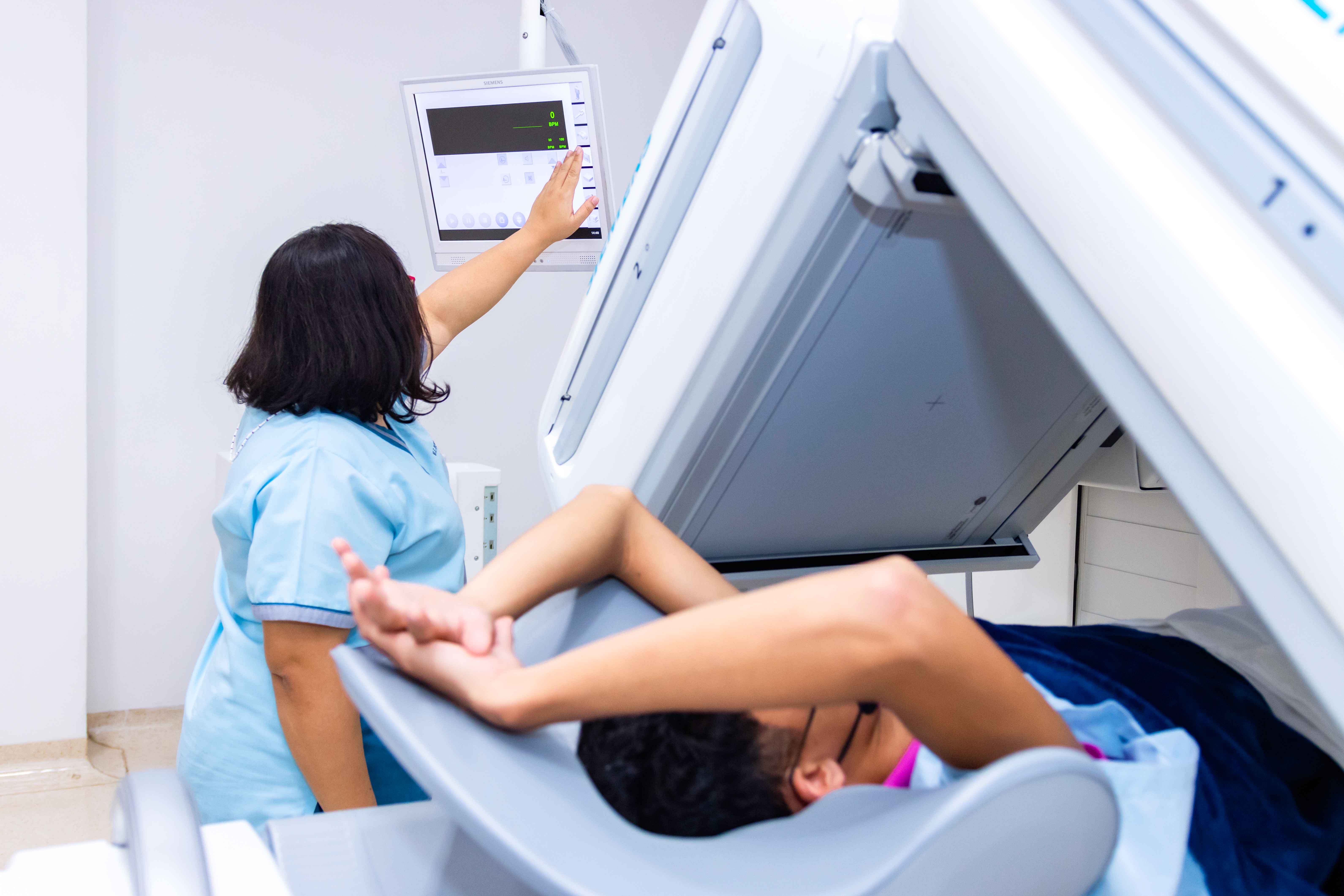
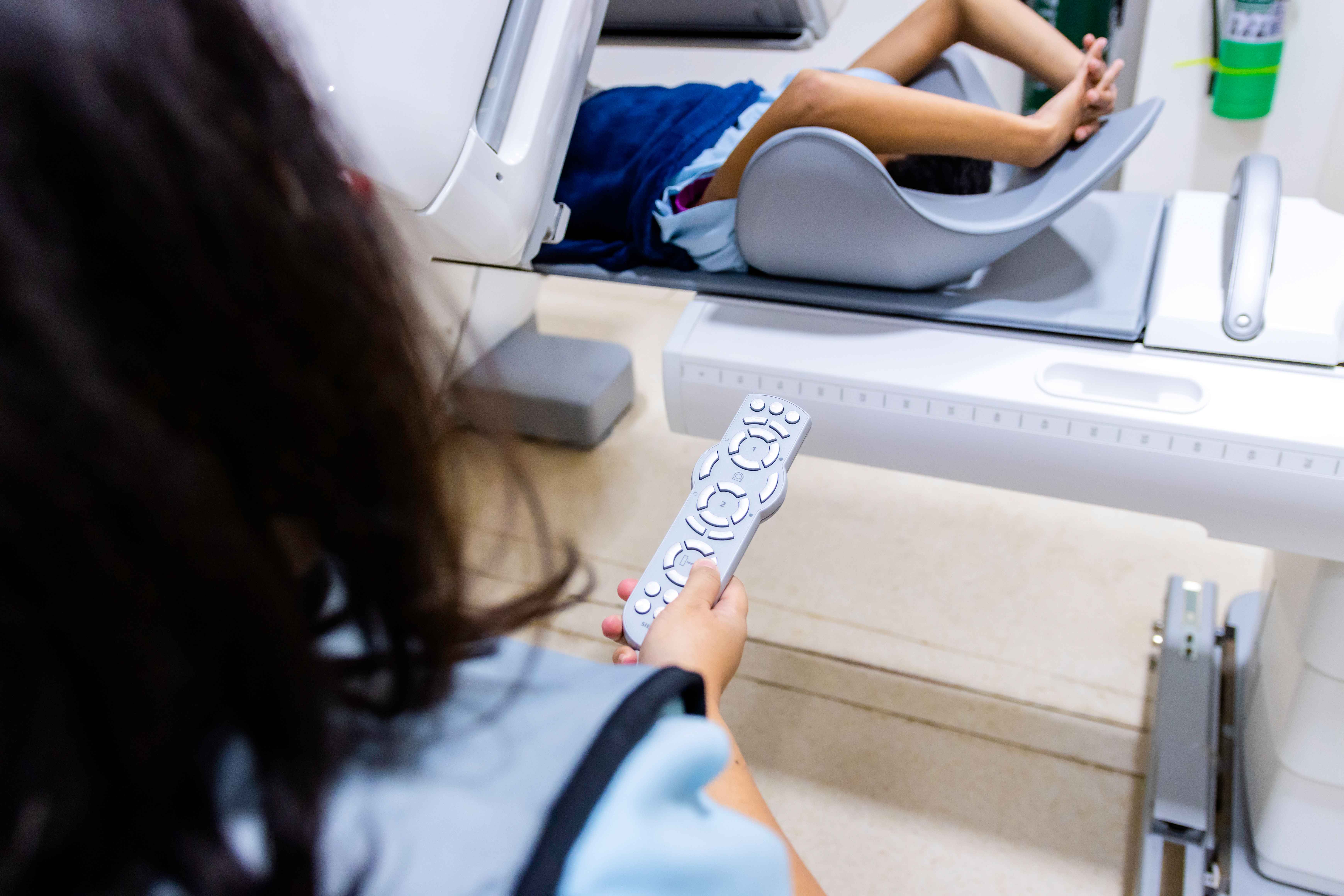
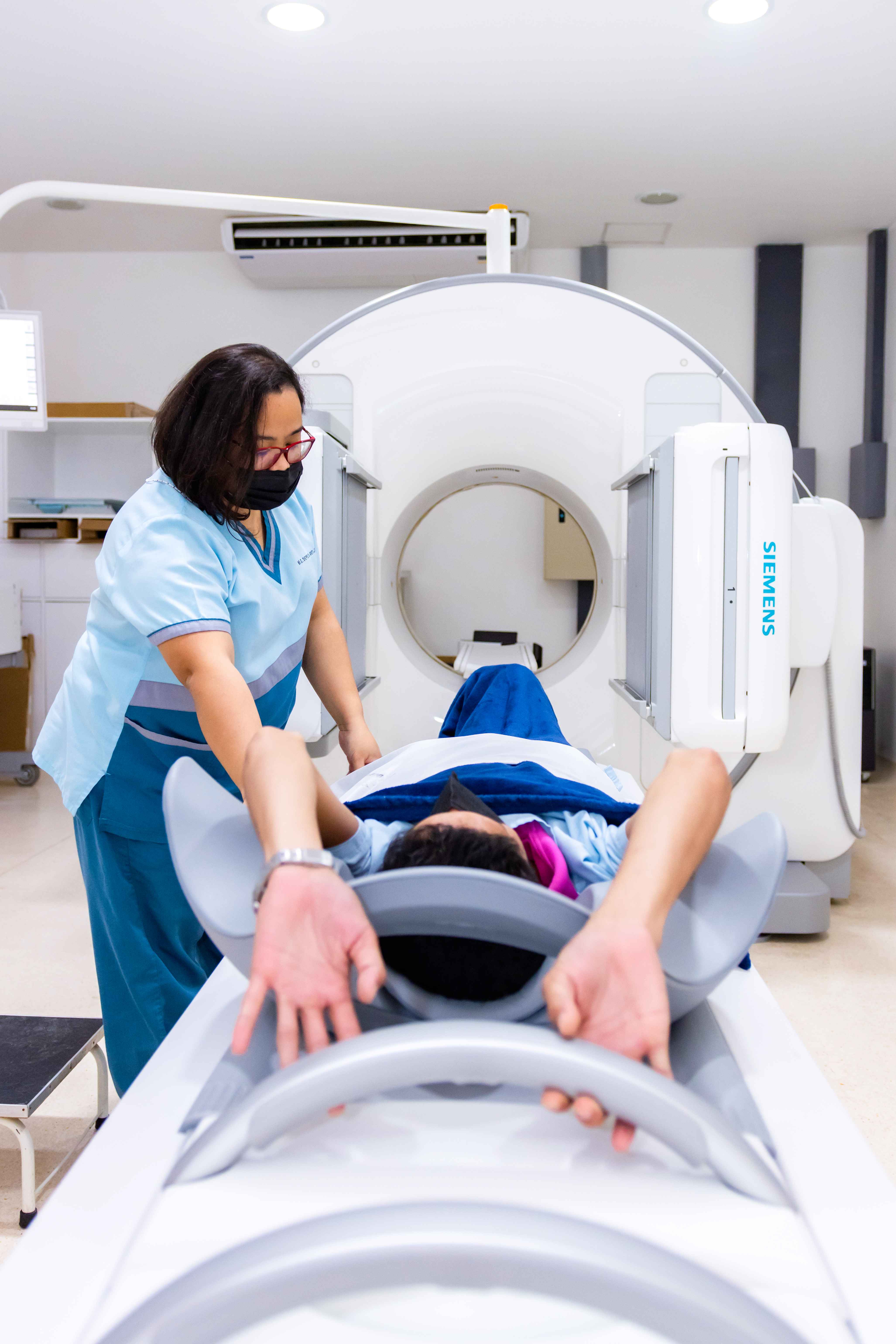
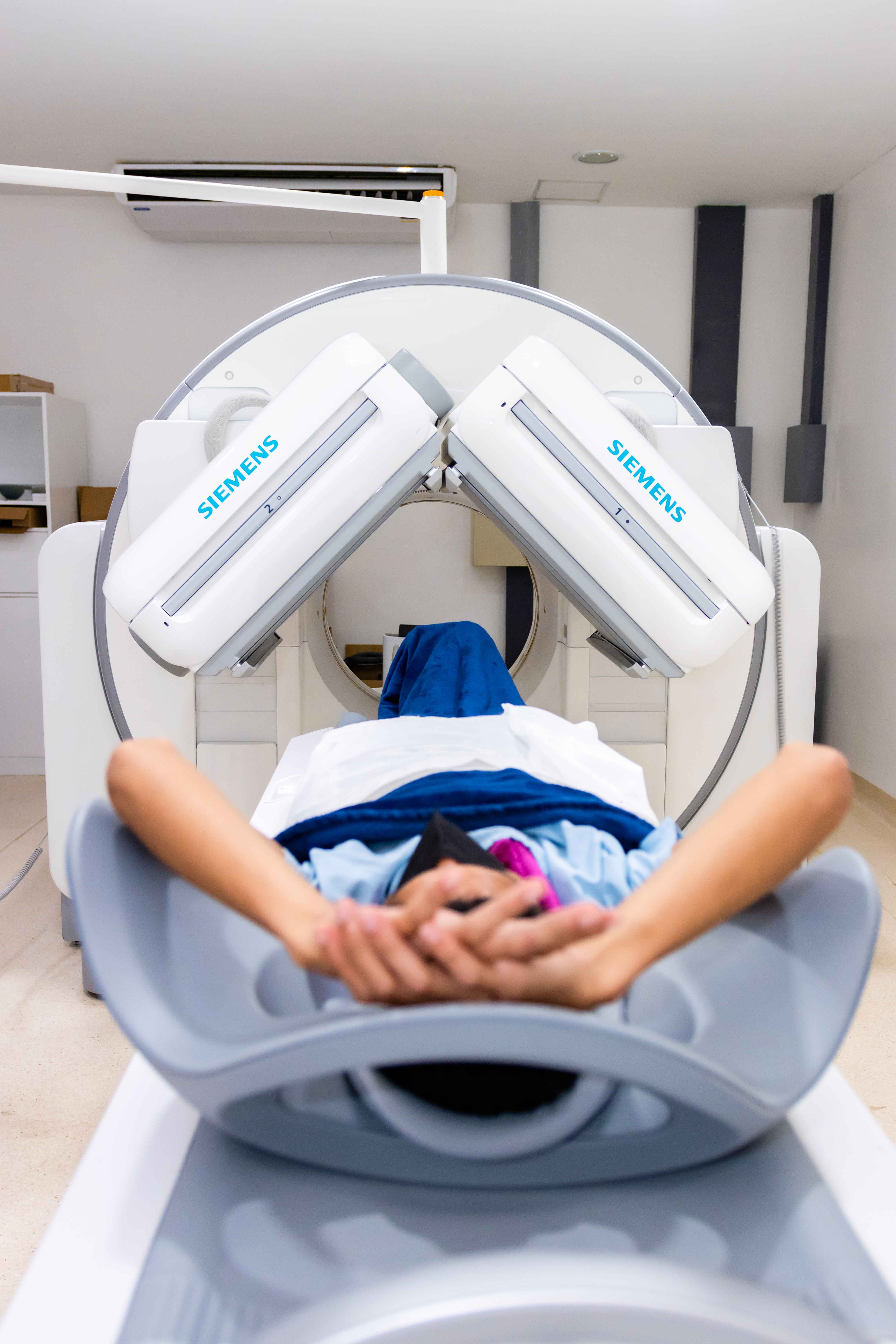
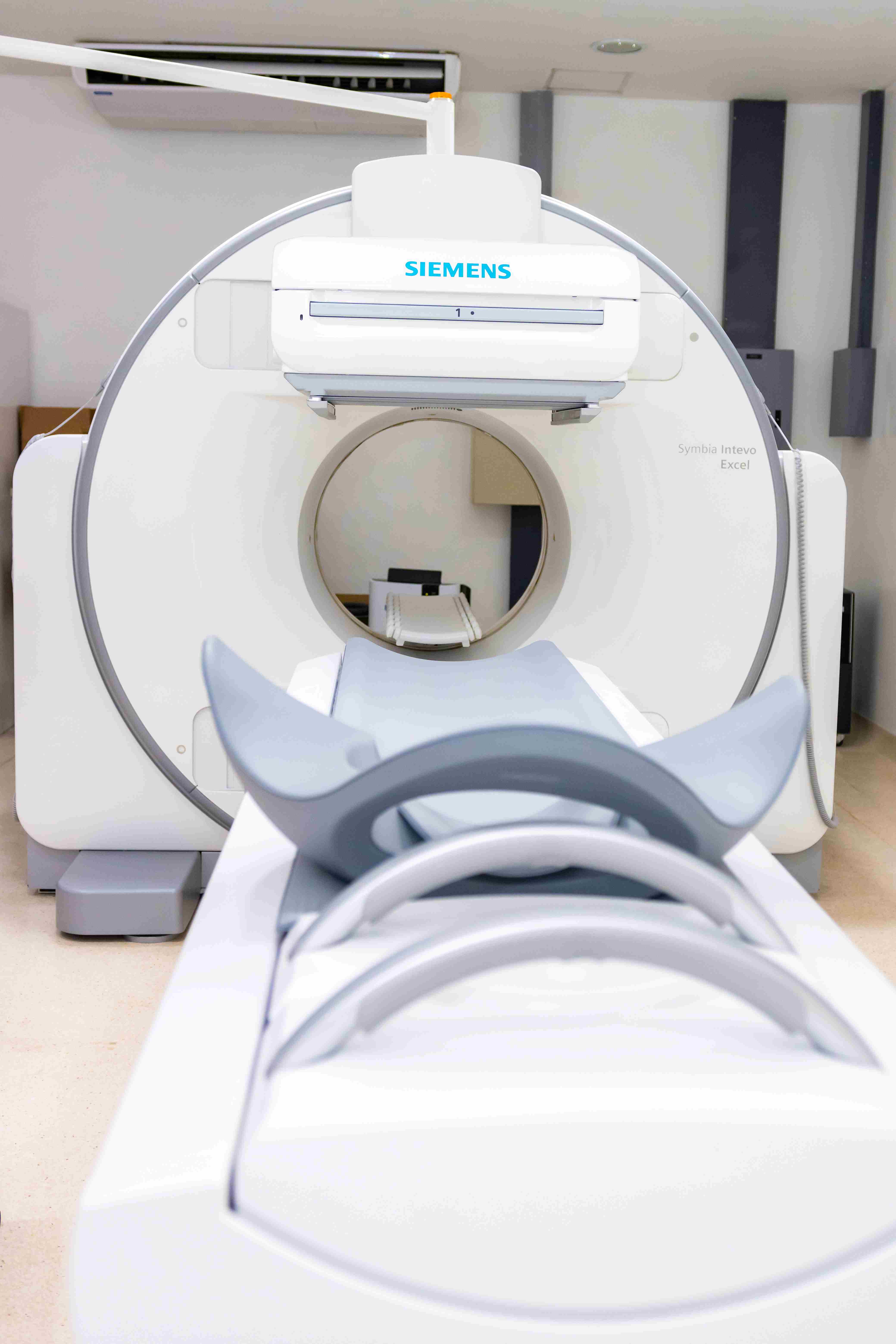
Single Photon Emission Computed Tomography (SPECT/CT) – Single Photon Emission Computed Tomography (SPECT/CT) is an advanced medical imaging technique that combines two powerful modalities: Single Photon Emission Computed Tomography (SPECT) and Computed Tomography (CT). SPECT provides functional information by detecting gamma rays emitted from a radioactive tracer, while CT offers detailed anatomical images using X-rays. By fusing these images, SPECT/CT provides a comprehensive and precise visualization of both physiological and structural aspects of organs and tissues. This hybrid imaging technology is valuable in diagnosing a wide range of conditions, including cancer, cardiovascular diseases, neurological disorders, and bone abnormalities, leading to improved accuracy in diagnosis and treatment planning.
SPECT/CT offers various examinations for different organ systems:
- Bone (Bone metastasis, Osteomyelitis)
- Endocrine (Thyroid and Parathyroid diseases, Thyroid cancer surveillance)
- Renal (GFR assessment, Renal obstruction, Renal scarring
- Lung (Pulmonary embolism)
- Cardiac (Coronary Artery Disease, Myocardial viability testing)
- Gastrointestinal (Meckel’s diverticulum, GI bleeding)
- CNS Scintigraphy
- Others
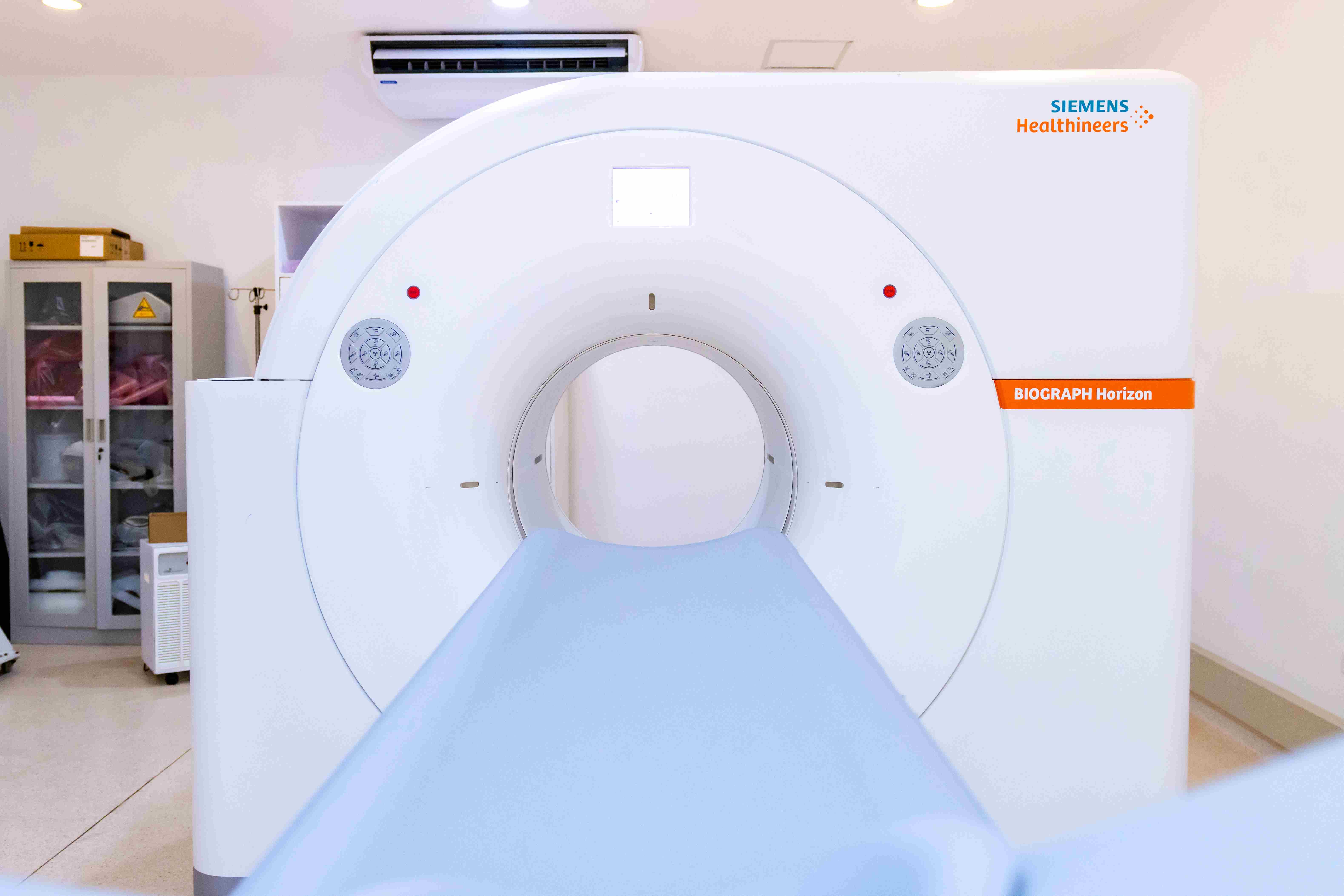
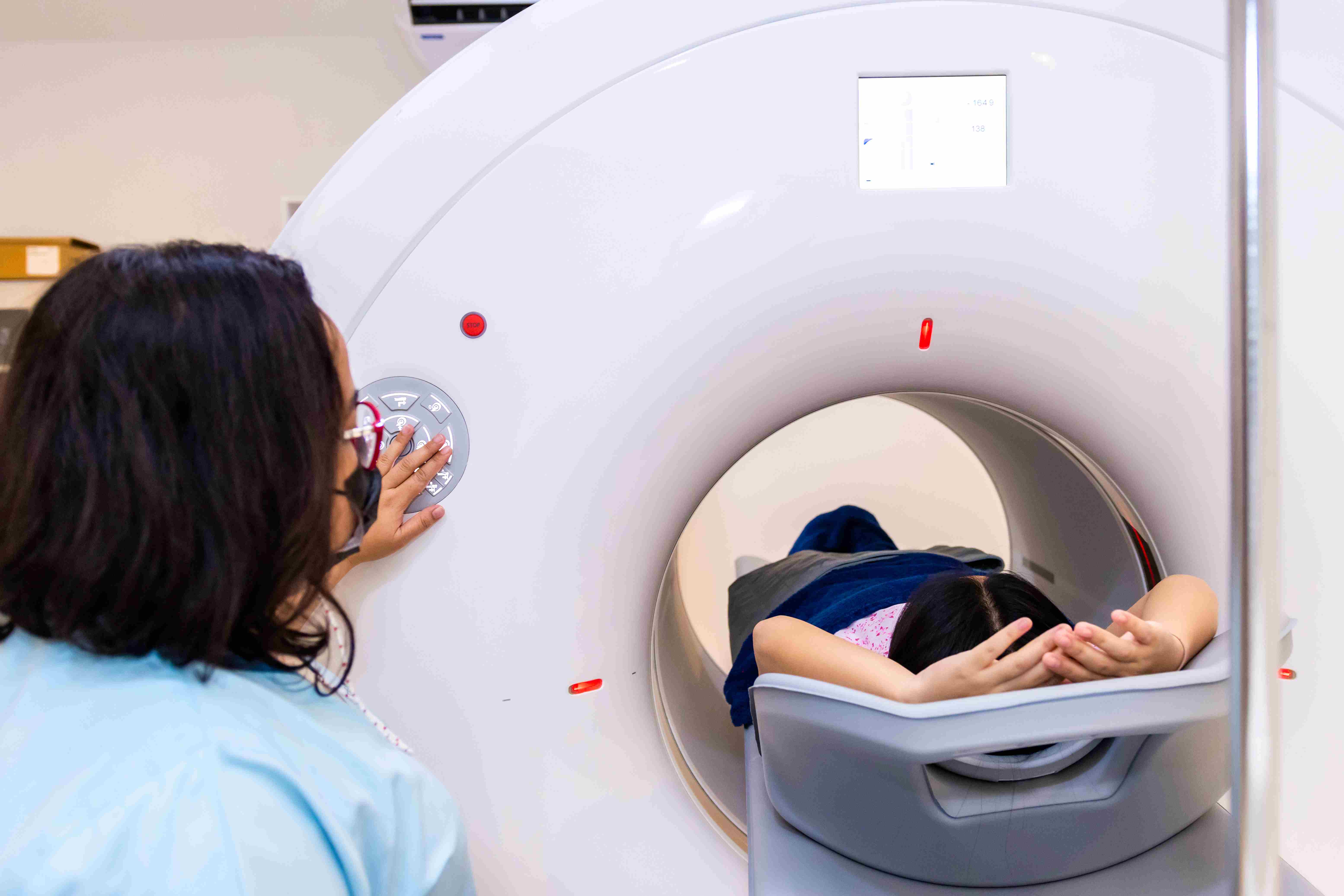
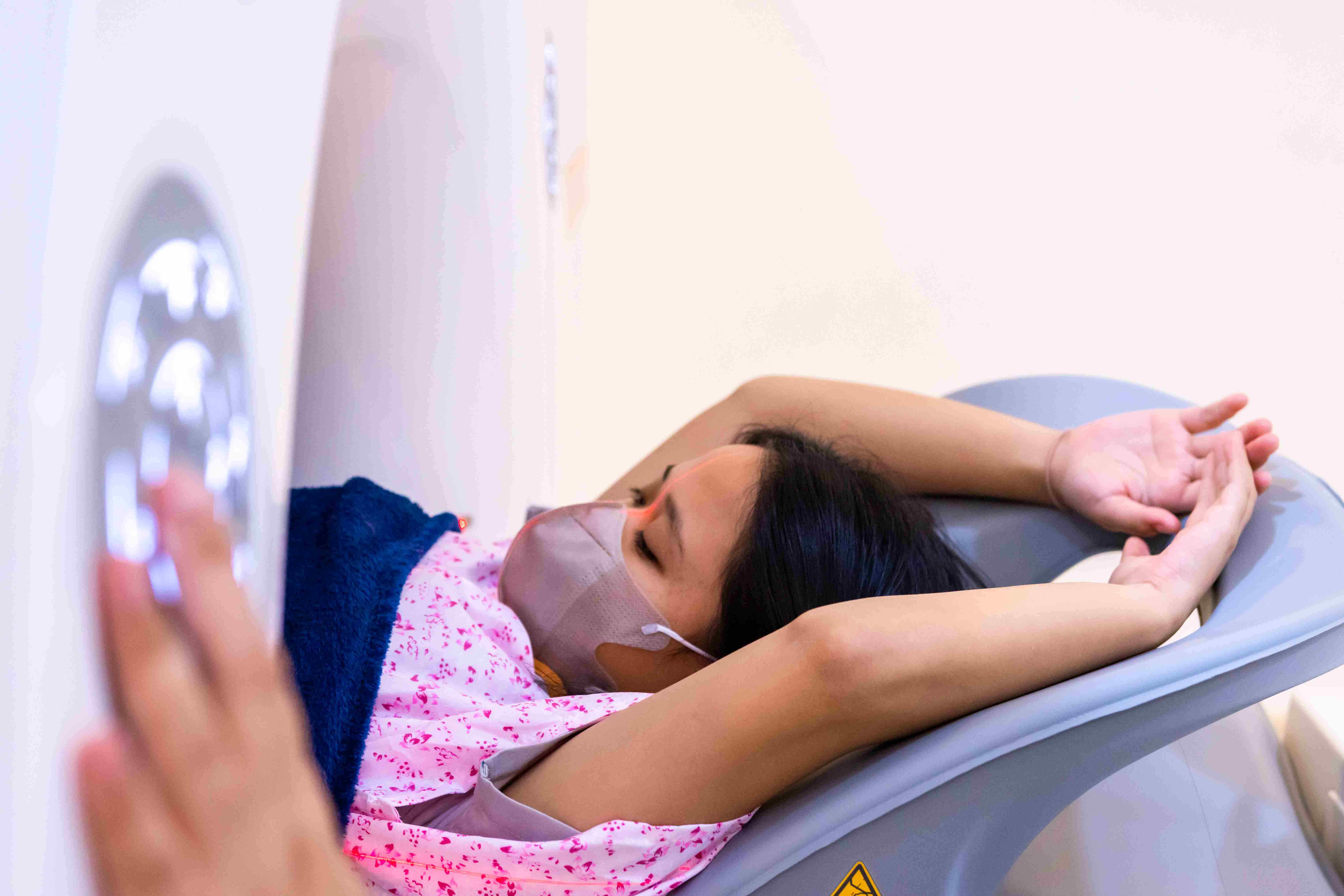
Positron Emission Tomography (PET/CT) – PET/CT is a cutting-edge medical imaging technique that merges PET’s functional images, revealing metabolic activity using a radioactive tracer, with CT’s detailed anatomical images. By combining these modalities, PET/CT provides comprehensive and precise information in a single scan, making it a valuable tool for diagnosing and managing various conditions, especially cancer and neurological disorders, where it aids in cancer staging, treatment response assessment, and localization of abnormalities, significantly improving patient care and treatment decisions.
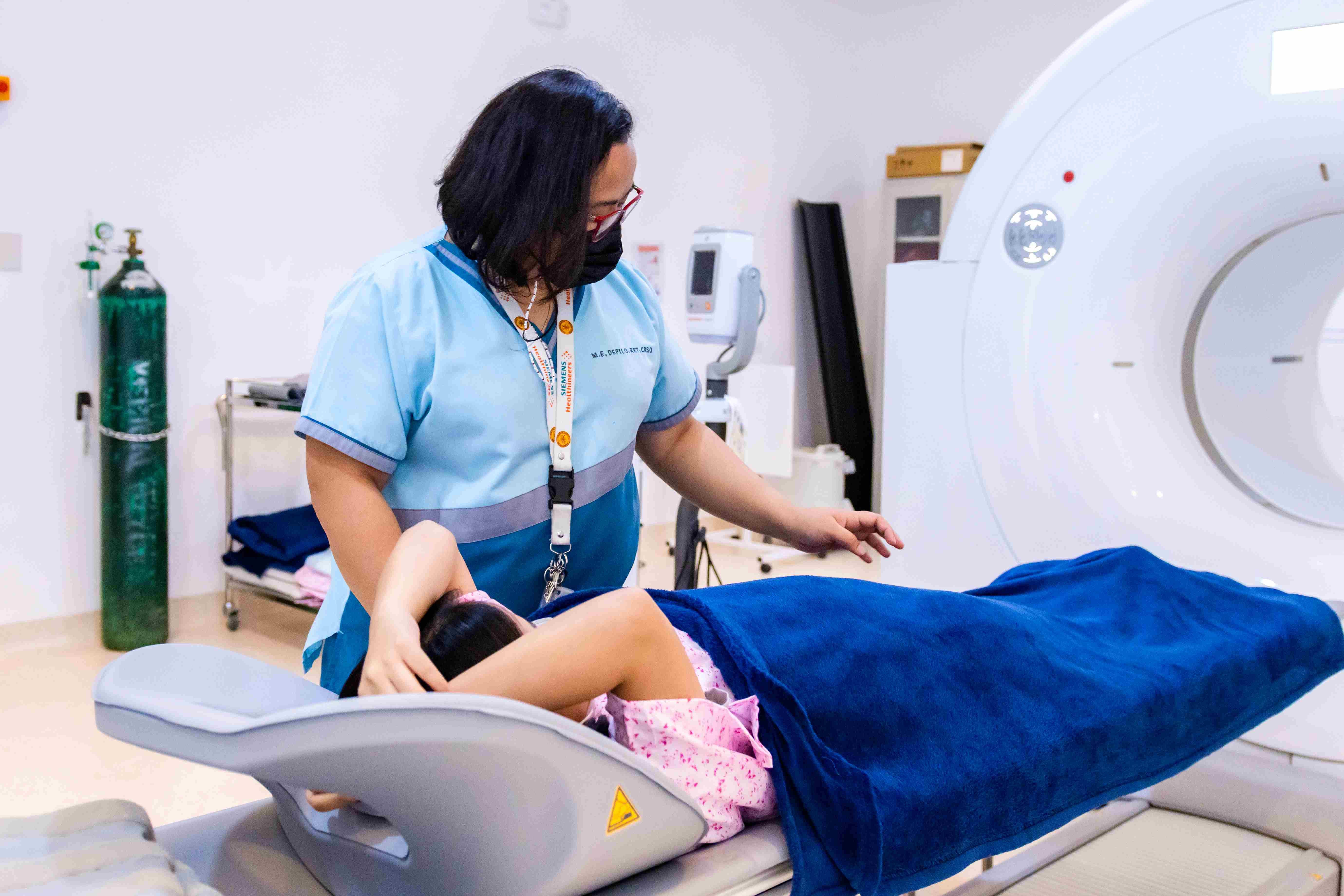
Radionuclide Therapy – Radionuclide therapy is a specialized medical treatment that uses radioactive substances (radionuclides) to target and treat specific diseases or conditions. These radionuclides emit radiation that can selectively destroy or damage targeted cells or tissues. In this therapy, the radionuclide is typically administered either orally or intravenously, allowing it to be taken up by the specific cells or tissues of interest. Once inside the targeted cells, the emitted radiation acts to destroy the abnormal or diseased cells, while minimizing damage to surrounding healthy tissues. Radionuclide therapy is commonly used in the treatment of various cancers, including thyroid cancer, neuroendocrine tumors, and bone metastases, as well as some non-cancerous conditions, such as hyperthyroidism and painful bone metastases. It is a valuable and evolving approach that offers promising results in the management of certain diseases, enhancing patients’ quality of life and potentially improving treatment outcomes.
Commonly used radionuclides:
- Radioactive Iodine-131 (Hyperthyroidism, Graves’ disease, Thyroid cancer)
- Strontium-89 (Bone pain pallation)
- Phosphorus-32 (Hemarthroses, Rheumatoid arthritis)